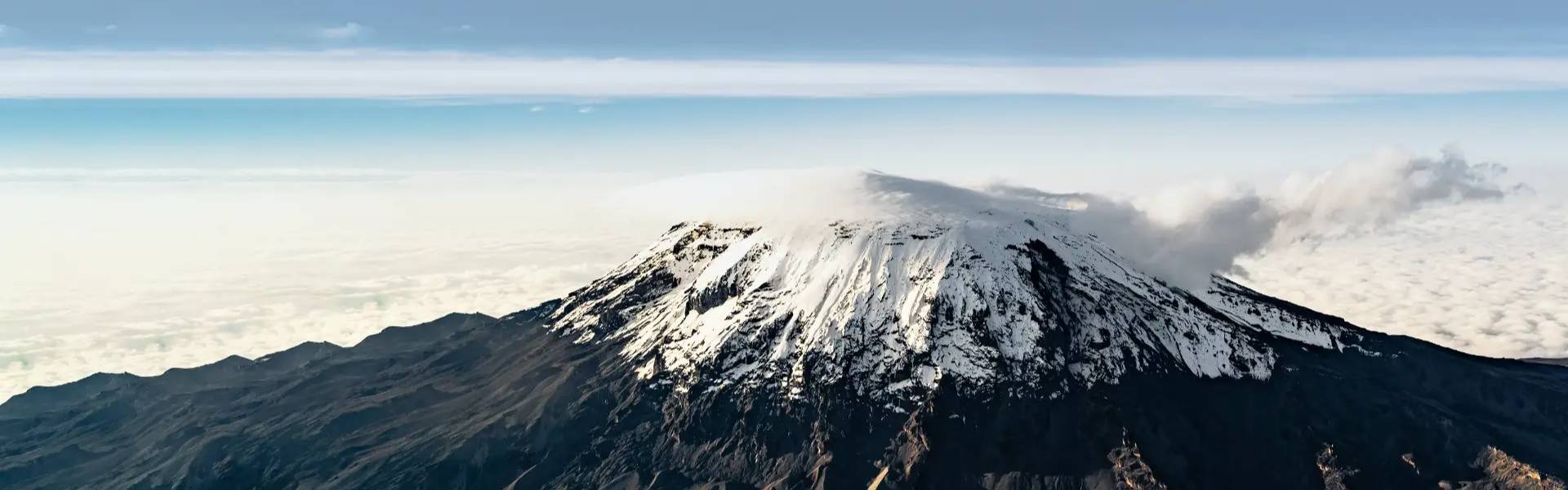
Mount Kilimanjaro, towering at an impressive elevation of 5,896 meters (19,341 feet), holds the title of the highest peak in Africa. This majestic mountain is a dormant stratovolcano consisting of three distinct volcanic summits: Kibo, Mawenzi, and Shira. Each of these pinnacles offers its unique geological features and challenges for climbers and adventurers alike. The name "Kilimanjaro" is steeped in various interpretations, often translated as the "Mountain of Light," the "Mountain of Greatness," or the "Mountain of Caravans," reflecting its significant cultural and historical importance.
Nestled in the northeastern region of Tanzania, near the town of Moshi, Kilimanjaro is situated within a designated National Park, a testament to its ecological and cultural value. The park covers an expansive area and is characterized by a remarkable diversity of climates and ecosystems. The lower slopes are lush with forested regions, rich in biodiversity, where local communities engage in agriculture. Here, you can find vibrant farms where crops such as coffee, bananas, cassava, and maize thrive, nurtured by the fertile volcanic soil and the region's ample rainfall.
As one ascends Kilimanjaro, the landscape undergoes a dramatic transformation. The lower forest zones gradually give way to high meadows, which are teeming with unique flora, including giant heathers and wildflowers that bloom in the cool mountain air. The air becomes increasingly thin and cold as one climbs higher, leading to a rocky and icy environment near the summit. The stark beauty of this alpine zone, dotted with glaciers and dramatic rocky outcrops, contrasts sharply with the vibrant greenery below.
Kilimanjaro is not merely a mountain; it stands as a National Park, meticulously maintained under stringent national legislation to preserve its natural wonders. The park is managed by a dedicated team of trained officers and conservationists who focus on several aspects of preservation. Their efforts ensure that the park not only retains its visual integrity but also continues to protect the unique ecosystems present within. This commitment serves as a lasting testament to our recognition of the value of natural heritage and the importance of safeguarding these irreplaceable environments for future generations to enjoy. Through their work, they highlight the intrinsic connection between the mountain and the cultural heritage of the local communities, as well as the overarching importance of environmental conservation.